

Short answer: You can make cheung fun at home without a stove by using steady electric steam, a shallow tray, thin rice batter, and a simple pour-steam-roll rhythm. This beginner guide explains the method, the equipment, and why stable steam makes homemade rice noodle rolls easier to learn.
Cheung fun, the silky rice noodle rolls served with soy sauce and sesame at dim sum restaurants, looks deceptively simple. Steam a thin layer of rice batter, add filling, roll, and serve. Three steps, at least on paper.
But anyone who has tried making it at home knows the first obstacle is rarely the batter. It is the equipment.
Most home kitchens do not have a commercial steamer. The alternative, a bamboo basket over a wok or a metal steamer pot on the stove, can work well enough for an occasional weekend project. It also asks the cook to manage heat manually, check water levels, lift hot lids, and give up a burner for the entire process. For a dish that many people remember as breakfast food, that amount of attention can make it feel less like comfort and more like a performance.
This is why cheung fun belongs naturally inside the broader idea of gentle cooking. The dish depends less on force than on consistency. Rice batter does not need drama. It needs a steady cloud of steam, a flat tray, and a cook patient enough to keep the layer thin.
What you need.
The ingredient list is short: rice flour, a little starch, water, salt, oil, and whatever filling you like. Shrimp, char siu, beef, scallion, egg, or nothing at all can work. Plain cheung fun with sauce is often the cleanest way to learn because it makes texture impossible to hide.
A basic beginner batter can start with one cup of rice flour, two tablespoons of tapioca starch or wheat starch, a quarter teaspoon of salt, one and a half cups of water, and one teaspoon of neutral oil. The proportions can be adjusted later, but this is a forgiving place to begin.
For equipment, the most important piece is a flat shallow tray. It should fit inside the steamer and allow batter to spread in a thin layer. A scraper or flexible spatula helps lift the cooked sheet before rolling.
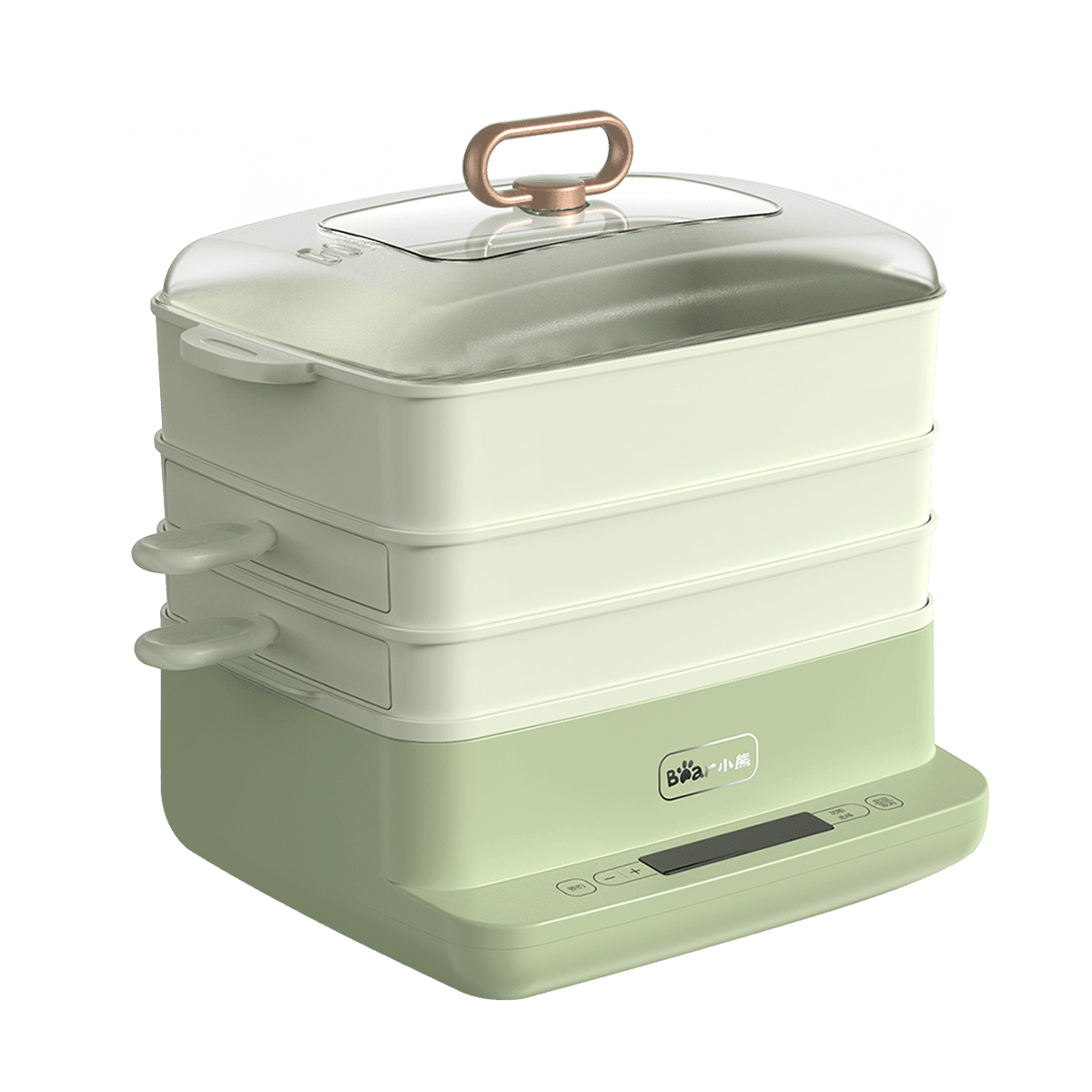
Flat trays make the learning curve gentler because batter thickness is easier to see.
The method.
Start by mixing the batter until it looks smooth. Let it rest for about fifteen minutes. This small pause allows the flour to hydrate more evenly, which helps the sheet set without becoming grainy.
Prepare the steamer before the batter goes in. If you are using an electric countertop steamer, fill the reservoir and let the chamber heat for a couple of minutes. If there is a timer, set it for about three minutes per batch. The goal is not high heat for its own sake. The goal is a stable steaming environment before the tray enters.
Lightly oil the tray. Pour in just enough batter to cover the bottom in a thin layer, usually three to four tablespoons for a small tray. Swirl gently so the surface is even. Too much batter creates a thick sheet that tastes more like a dense rice cake than cheung fun.
Steam for two to three minutes. The batter will turn translucent and slightly glossy when it is ready. If using a filling, add cooked shrimp, char siu, or beef near one edge toward the end so it warms through without weighing down the sheet.
Lift one edge with the scraper, roll loosely, and move it to a plate. Brush with a little sesame oil if the rolls need to sit for more than a minute. Serve with sweet soy sauce, sesame, scallion, chili oil, or whatever your table remembers.
Why the stove is the hard part.
The most common problem with stovetop cheung fun is inconsistent steam. A gas flame rises and falls. An electric burner cycles. Water underneath the tray may boil aggressively, then calm down, then surge again. Each shift changes how quickly the batter sets.
That instability is easy to overlook because the dish appears so simple. But thin rice batter is sensitive. If the heat is weak, the sheet can turn tacky and tear. If the heat is too aggressive, the surface can bubble and toughen before the center has settled. The cook begins adjusting the flame, lifting the lid, adding water, and guessing. The process becomes less about rhythm and more about rescue.
An electric countertop steamer changes the work by enclosing the water and generating steam from the base. Instead of asking the cook to control the flame, the appliance holds the steaming environment within a narrower range. This does not make the batter magic. It simply removes one of the easiest variables to get wrong.
For beginners, that matters. Consistency gives the cook room to learn the parts that still require touch: how thin to pour, when to add filling, how firmly to scrape, and how loosely to roll.
Why freshness matters more than perfection.
Homemade cheung fun will not always match the restaurant version exactly. Commercial steamers have greater volume and pressure, and restaurants often build their entire workflow around one dish. A home kitchen has different constraints.
But the advantage at home is freshness. Restaurant rice noodle sheets may be made in batches and held before serving. At home, the roll can go from steam to plate in the same minute. That immediacy gives the noodle a softness that is hard to preserve once it waits.
This is the quiet reward of the dish. The first few rolls may be uneven. One may tear. Another may be too thick. But a warm roll eaten immediately, with sauce still sliding across the surface, often tastes more alive than a perfect one that has been sitting for too long.
What else can be made in the same steamer.
A rice roll steamer does not need to be a single-purpose machine. The same steady steam works for buns, dumplings, fish fillets, shrimp, vegetables, eggs, custards, and reheating leftovers without drying them out. In a small kitchen, that matters because an appliance earns its place by being useful on ordinary days, not only during a special recipe project.
For readers comparing methods, the product page for our electric rice roll steamer has the technical specifications, tray format, voltage, and timer details in one place. The article itself is less about a machine than about the method: stable steam, thin batter, and fewer obstacles between curiosity and breakfast.
A final note.
Cheung fun is easy to describe and surprisingly personal to make. Some people want it soft and barely filled. Others prefer shrimp, beef, or char siu tucked inside. Some like sweet soy sauce only. Others need chili oil. The tray teaches quickly because every roll is immediate feedback.
That is why it is a good beginner dish, even when the first attempt looks imperfect. It rewards repetition. It fits breakfast. It uses steam rather than force. And once the equipment stops getting in the way, the method becomes less intimidating than it first appeared.
This article is part of CyberHome's Daily Wellness series, exploring traditional food practices and how they translate into modern home kitchens.
Further reading. Browse Gentle Cooking & Daily Wellness, then continue with cheung fun without a stove, gentle cooking in modern kitchens, and the electric rice roll steamer for drawer-style steam cooking.
Common questions.
What does gentle cooking mean?
Gentle cooking refers to lower-intensity, moisture-based methods such as steaming, simmering, and enclosed cooking, where steady heat matters more than force.
Does gentle cooking require a special appliance?
No. Traditional pots and steamers can work well. Electric steamers and enclosed appliances simply make the heat and timing easier to repeat in a modern kitchen.